
Can Cats Drink Milk? Why Most Cats Should Avoid It
Many cats love milk, but that doesn't mean it's healthy. Here's why most adult cats are lactose intolerant and what they should drink instead.
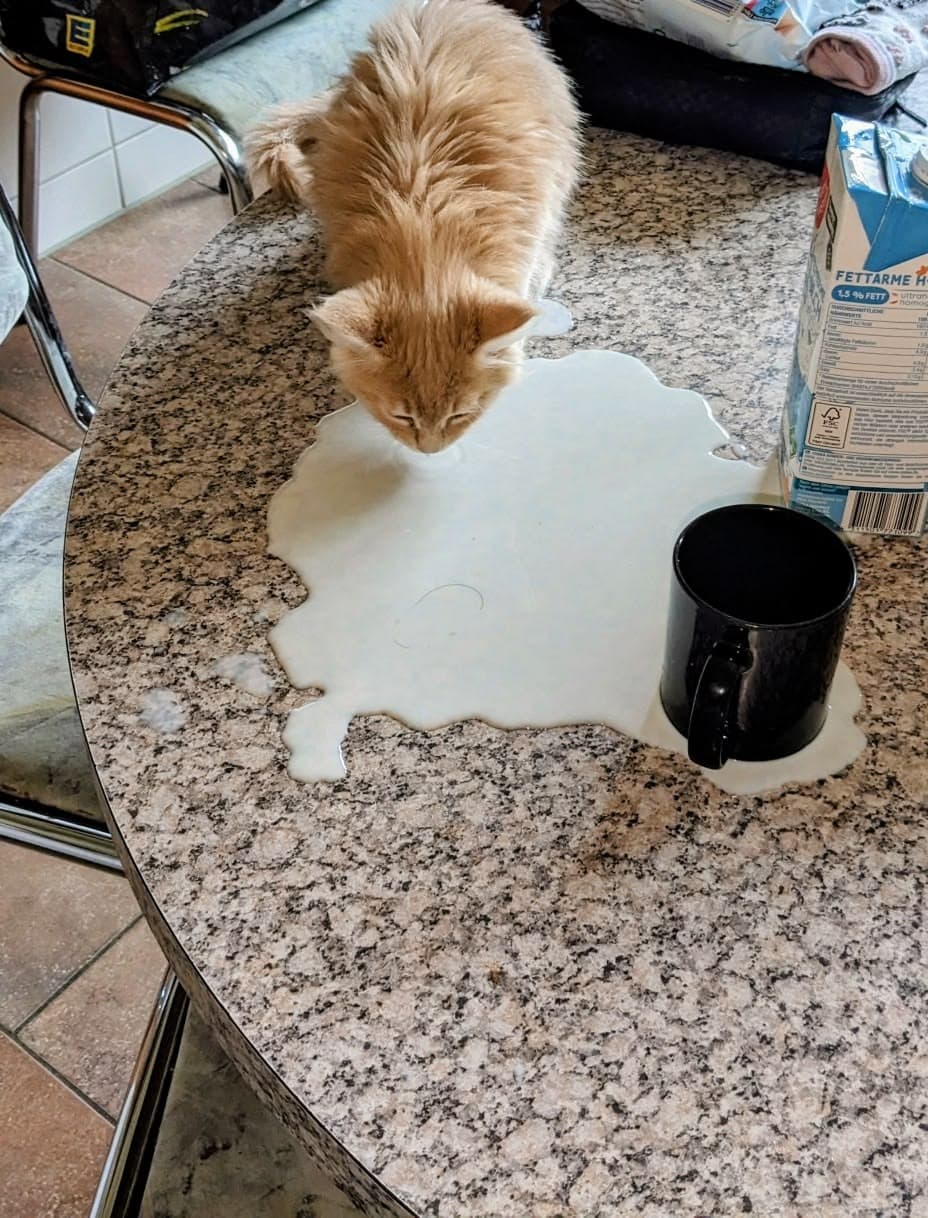
Can Cats Drink Milk? Why Most Cats Should Avoid It
Is Milk Good For Cats?
If you've ever poured yourself a bowl of cereal, chances are your cat has wandered over and tried to investigate the milk.
It's one of those things most people grew up believing: cats love milk.
But is milk actually good for cats?
The short answer is no.
While a small amount of milk usually isn't toxic, most adult cats struggle to digest it properly. That's why many veterinarians recommend avoiding milk altogether and sticking with fresh water instead.
Can Cats Drink Milk?
Technically, yes.
Most cats can drink a small amount of milk without it becoming an emergency.
The problem is that many adult cats are lactose intolerant.
As kittens, cats produce an enzyme called lactase, which helps them digest their mother's milk. After weaning, lactase production naturally decreases. As a result, many adult cats lose the ability to properly digest lactose.
So while milk isn't poisonous, it often isn't the best choice either.
Why Do Cats Love Milk So Much?
Part of the reason is simple: milk smells and tastes rich.
Cats are naturally attracted to foods that contain fat and protein, and milk contains both.
Many cats also associate milk with positive experiences because people have traditionally offered it as a treat.
The problem is that just because a cat enjoys something doesn't necessarily mean it's healthy.
It's similar to how many cats enjoy treats that contain artificial flavors or low-quality ingredients.
Why Is Milk Bad For Most Cats?
The main issue is lactose.
When a cat doesn't produce enough lactase, the lactose passes through the digestive tract undigested.
This can lead to:
Diarrhea
Gas
Bloating
Stomach discomfort
Vomiting in some cases
Some cats are more sensitive than others.
A tiny lick may cause no problems at all, while a larger amount can trigger digestive issues fairly quickly.
Signs Your Cat May Be Lactose Intolerant
If your cat recently drank milk and develops any of these symptoms, lactose intolerance could be the cause:
Loose stool
Diarrhea
Vomiting
Excessive gas
Stomach discomfort
Reduced appetite
If symptoms are severe or persistent, it's always worth contacting your veterinarian.
Can Kittens Drink Milk?
Yes, but only the right kind.
Young kittens should drink their mother's milk whenever possible.
If that's not available, they should be fed a kitten milk replacer specifically designed for kittens.
Cow's milk is not a suitable replacement and can cause digestive problems.
Can Cats Drink Lactose-Free Milk?
Lactose-free milk is generally easier for cats to tolerate because the lactose has already been broken down.
However, that doesn't automatically make it healthy.
Cats don't need milk as part of a balanced diet, and water should still be their primary source of hydration.
If you choose to offer lactose-free milk, it should only be an occasional treat.
What About Almond Milk, Oat Milk, Or Goat Milk?
Many people assume plant-based milks are safer alternatives, but that isn't necessarily true.
Almond milk and oat milk often contain added ingredients, sweeteners, gums, or oils that aren't ideal for cats.
Goat milk contains less lactose than cow's milk, but it can still cause digestive upset in sensitive cats.
In general:
Cow milk: Not recommended
Almond milk: Not recommended
Oat milk: Not recommended
Goat milk: Sometimes tolerated, but not necessary
Cat milk products: Occasionally
Water: Best option
What Should Cats Drink Instead?
Fresh water should always be your cat's primary drink.
If you're trying to increase hydration, wet food is often a much better solution than milk.
Many cat owners are surprised to learn that moisture-rich foods can contribute significantly to daily water intake.
That's one reason wet foods often play an important role in a cat's diet.
Final Verdict: Is Milk Good For Cats?
Despite the popular stereotype, milk is not particularly good for cats.
A small amount is unlikely to harm most cats, but many adult cats are lactose intolerant and may develop digestive issues after drinking it.
Water will always be the healthiest option.
If you're evaluating foods and ingredients for your cat, it can also be helpful to understand what commonly appears inside pet food. For example, many owners wonder about ingredients such as meat by-products, controversial additives like carrageenan, or whether certain foods such as pumpkin are actually beneficial.
If you're unsure about a food, treat, or ingredient, you can scan it with the Leo Cat Food Scanner app and get a quick breakdown of what's inside before feeding it to your cat.