
What Are Meat By-Products In Cat Food? (And Are They Actually Bad?)
Few cat food ingredients create more confusion than meat by-products. Some cat owners see them as low-quality fillers, while others argue they can be highly nutritious. Here's what meat by-products actually are and whether you should worry about them.
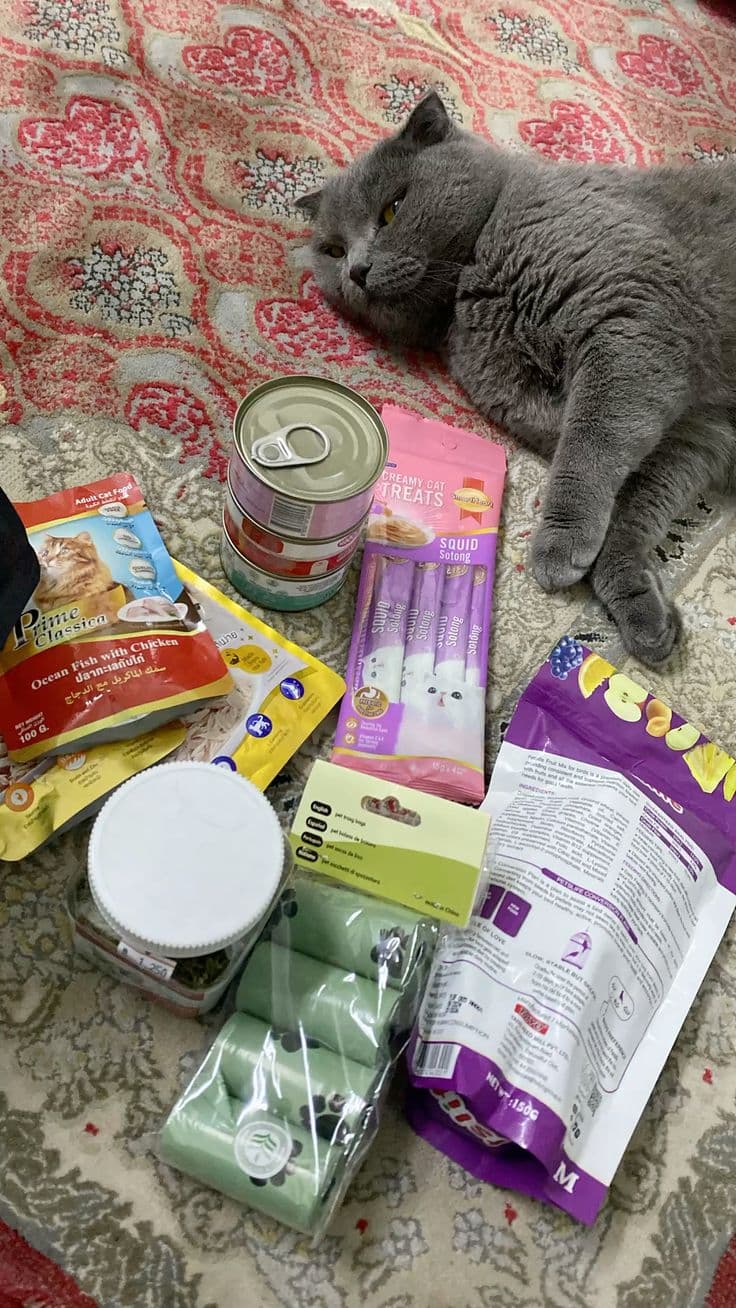
What Are Meat By-Products In Cat Food? (And Are They Actually Bad?)
Few cat food ingredients create more confusion than meat by-products.
Some cat owners see the term on an ingredient label and immediately assume the food is low quality.
It's one of the ingredients that regularly shows up in brands like Fancy Feast, Friskies, and Purina ONE.
Others argue that meat by-products can actually be some of the most nutritious ingredients a cat can eat.
So who's right?
The truth is a little more complicated than most social media posts make it seem.
In this article, we'll break down what meat by-products actually are, why they're controversial, and whether they're really something cat owners should worry about.
What Are Meat By-Products In Cat Food?
According to pet food definitions used by regulators and manufacturers, meat by-products are animal tissues that remain after the primary muscle meat has been removed.
These ingredients may include:
liver
kidneys
lungs
spleen
stomach
blood
fatty tissue
Contrary to popular belief, meat by-products do not typically include hair, horns, teeth, or hooves.
Many people are surprised by this because the term "by-product" sounds much worse than the actual ingredients it often refers to.
In fact, some of the organs included in meat by-products can contain valuable nutrients that cats naturally consume in the wild.
Why Do Meat By-Products Sound So Bad?
A big part of the controversy comes down to transparency.
For example, which ingredient sounds better?
Chicken liver
Meat by-products
Most cat owners would immediately choose chicken liver.
The problem is that "meat by-products" is a much broader and less specific term. It doesn't tell you exactly which animal tissues are included or where they came from.
And whenever ingredient labels become vague, people naturally start assuming the worst.
This is one of the reasons meat by-products continue to be one of the most debated ingredients in commercial cat food.
Are Meat By-Products Actually Bad For Cats?
Not necessarily.
Cats are obligate carnivores. In the wild, they don't just eat muscle meat.
When a cat catches prey, it often consumes organs and internal tissues along with the meat. These organs can provide important nutrients including:
vitamin A
B vitamins
iron
zinc
taurine
essential fatty acids
In many cases, organs are actually more nutrient-dense than muscle meat.
This means the presence of meat by-products alone doesn't automatically make a cat food low quality.
The Real Problem With Meat By-Products
The bigger issue is usually transparency and consistency.
Not all by-products are equal.
Some manufacturers may use high-quality organs and nutrient-rich tissues. Others may use lower-value ingredients while still labeling them under the same broad category.
This is why many cat owners prefer foods that use clearly named ingredients.
The bigger issue is usually transparency.
For example, if a cat food label says "Chicken Liver," you know exactly what ingredient is being used.
If it says "Meat By-Products," you're left with a much broader category that could include a variety of different animal tissues without specifying which ones.
The same idea applies to ingredients like "Turkey Heart" versus "Poultry By-Products" or "Chicken Fat" versus "Animal Fat."
None of these broader terms automatically mean the ingredient is low quality. The problem is simply that they're much less specific.
And when ingredient labels become vague, cat owners naturally start wondering what exactly they're feeding.
Why Do Cat Food Brands Use Meat By-Products?
There are several reasons.
Nutritional Value
Many organs contain valuable nutrients that cats need.
Reduced Waste
Using more parts of the animal helps reduce food waste and makes use of tissues that would otherwise be discarded.
Cost
By-products are often less expensive than premium muscle meats, allowing manufacturers to formulate foods at lower price points.
This is one reason meat by-products frequently appear in grocery-store cat food brands.
Should You Avoid Cat Foods With Meat By-Products?
I wouldn't automatically reject a cat food simply because it contains meat by-products.
Instead, I would look at the overall recipe.
Questions worth asking include:
Is animal protein one of the first ingredients?
Does the food contain excessive fillers?
Are there large amounts of artificial colors or additives?
Is the manufacturer transparent about ingredient sourcing?
Does the formula appear balanced overall?
I've seen cat foods containing meat by-products that looked significantly better than foods loaded with artificial colors, vague flavor additives, or excessive plant ingredients.
The ingredient list should always be evaluated as a whole.
Final Verdict
Meat by-products aren't automatically bad for cats.
In many cases, they include organs and tissues that provide valuable nutrients cats would naturally consume in the wild.
The bigger question isn't whether a food contains meat by-products.
It's whether the overall recipe is transparent, nutritionally balanced, and built around quality animal ingredients.
And honestly, that's where things start getting difficult.
Because ingredients like meat by-products, natural flavors, animal digest, carrageenan, and dozens of other common additives often sound much scarier—or much safer—than they actually are.
After spending way too much time researching cat food ingredients, I eventually built a small app that helps cat owners scan and analyze ingredient lists more easily.
You can use it to scan:
- cat food ingredients
- controversial additives
- household products
- and other common pet hazards
Sometimes a quick scan makes it much easier to understand what you're actually looking at than trying to decode ingredient labels on your own.