
Can Cats Eat Pumpkin? What Cat Owners Should Know
Can cats eat pumpkin? The short answer is yes. Plain pumpkin is generally safe for cats and may even help support digestion, hairball management, and regular bowel movements when fed in moderation.
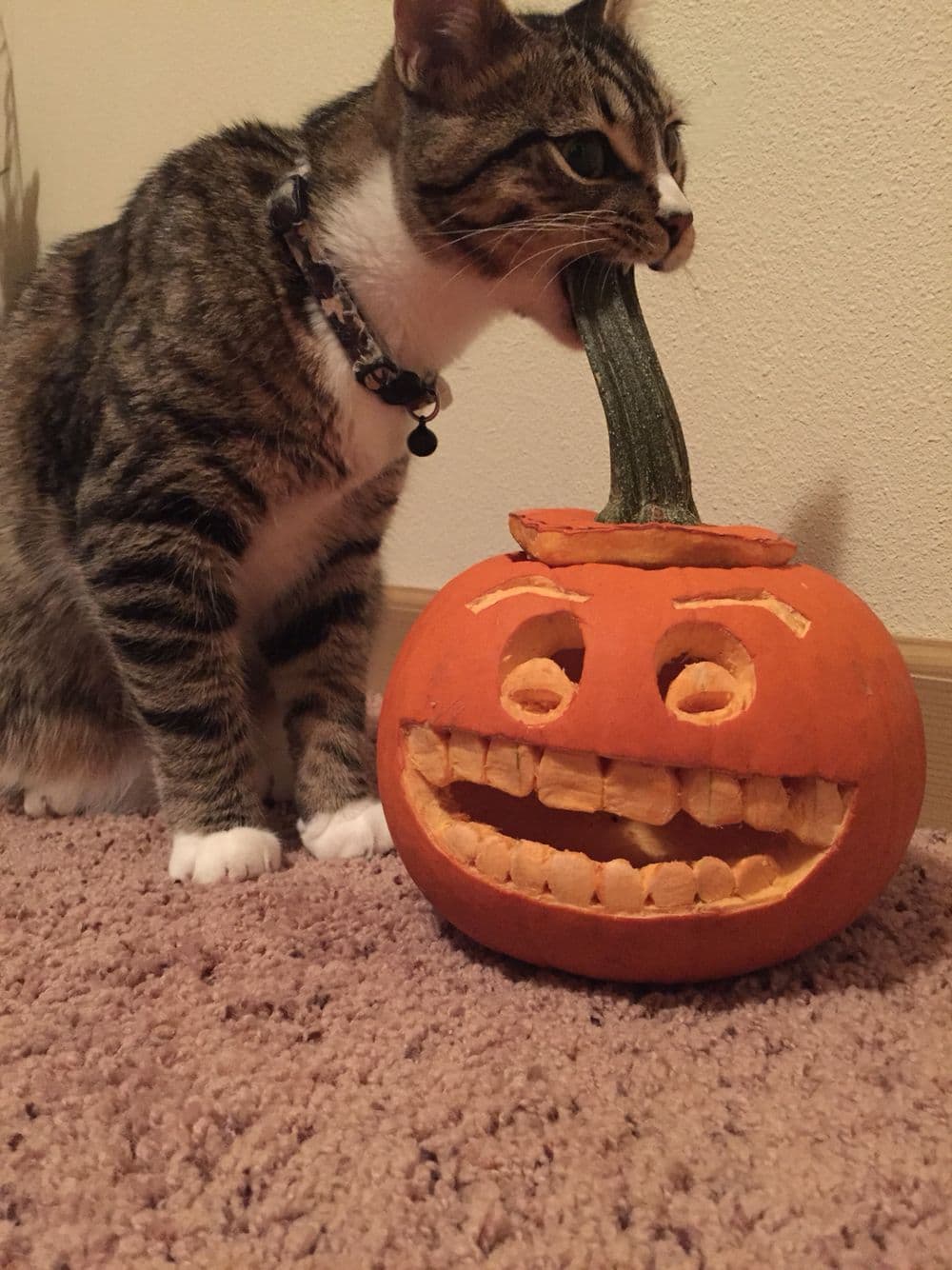
Can Cats Eat Pumpkin? What Cat Owners Should Know
If you've ever opened a can of pumpkin in the kitchen, there's a good chance your cat suddenly became very interested in what you're doing.
Cats have a weird talent for ignoring their own food while becoming obsessed with whatever you're trying to eat. Which raises a fair question: Can cats eat pumpkin?
The short answer is yes.
Plain pumpkin is generally safe for cats and may even offer some digestive benefits when fed in moderation.
Why Do People Give Pumpkin To Cats?
Pumpkin is surprisingly popular among cat owners.
Not because cats naturally crave pumpkins in the wild (they definitely don't), but because pumpkin contains fiber that may help support healthy digestion.
That's why you'll often see pumpkin recommended for cats dealing with:
constipation
mild diarrhea
hairballs
occasional digestive upset
Of course, pumpkin isn't a miracle cure, and it won't solve every stomach issue. But in some cases, a small amount can be a useful addition to a cat's diet.
Benefits Of Pumpkin For Cats
Pumpkin May Help With Constipation
Pumpkin contains both soluble and insoluble fiber, which can sometimes help support regular bowel movements.
This is one of the most common reasons cat owners add pumpkin to their cat's food.
Pumpkin May Help With Mild Diarrhea
Interestingly, the same fiber that can help with constipation may also help absorb excess water in the digestive tract.
That's why pumpkin often gets recommended for mild digestive issues.
Pumpkin May Help Reduce Hairballs
When cats groom themselves, they inevitably swallow hair.
The extra fiber found in pumpkin may help move some of that hair through the digestive system more efficiently, potentially reducing hairball problems in some cats.
Pumpkin Contains Useful Nutrients
Pumpkin also contains nutrients such as:
vitamin A
vitamin C
vitamin E
potassium
That said, your cat should still get the vast majority of their nutrition from a complete and balanced cat food.
Think of pumpkin as a supplement or occasional treat, not a dietary foundation.
Can Cats Eat Pumpkin Seeds?
In small amounts, plain pumpkin seeds are generally considered safe.
However, they should be plain, unsalted, and free from seasonings.
Many pumpkin seed products made for humans contain ingredients that aren't appropriate for cats.
When in doubt, stick to plain pumpkin purée instead.
Can Cats Eat Raw Pumpkin?
Technically, yes.
But most cats tolerate cooked pumpkin or plain canned pumpkin purée much better.
Raw pumpkin can be harder to digest and isn't usually necessary.
If you're offering pumpkin to your cat for the first time, cooked or canned pumpkin is typically the easiest option.
How Much Pumpkin Can Cats Eat?
A little goes a long way.
For most cats, around half a teaspoon to one teaspoon mixed into food is a reasonable starting point.
If your cat tolerates it well, you can occasionally offer slightly larger amounts.
But more isn't always better.
Too much pumpkin can potentially cause digestive upset or loose stools.
What Type Of Pumpkin Is Safe For Cats?
Not all pumpkin products are created equal.
Safe options include:
plain canned pumpkin purée
cooked plain pumpkin
fresh pumpkin with no added ingredients
Avoid:
pumpkin pie filling
pumpkin spice products
sweetened pumpkin products
pumpkin desserts
anything containing added sugar or artificial sweeteners
Many pumpkin products made for humans contain ingredients that aren't suitable for cats.
Final Verdict
So, is pumpkin good for cats?
Generally speaking, yes.
Plain pumpkin is safe for most cats and may help support digestion, hairball management, and regular bowel movements when fed in moderation.
Just remember that pumpkin should be an occasional addition to your cat's diet, not a replacement for complete and balanced nutrition.
And honestly, pumpkin is a good reminder of how confusing pet nutrition can become.
Some ingredients that sound scary turn out to be perfectly safe, while others that sound harmless can sometimes cause problems.
After spending way too much time researching cat food ingredients, I eventually built an app that helps cat owners scan foods, ingredients, plants, and household products more easily.
You can use it to check:
cat food ingredients
controversial additives
household hazards
and other common pet products
Sometimes a quick scan is a lot easier than spending an hour reading ingredient labels and Reddit debates.