
8 Common Houseplants That Could Seriously Harm Your Cat
Discover 8 common houseplants that can seriously harm cats, including lilies, pothos, aloe vera and other popular indoor plants many owners don’t realize are toxic.
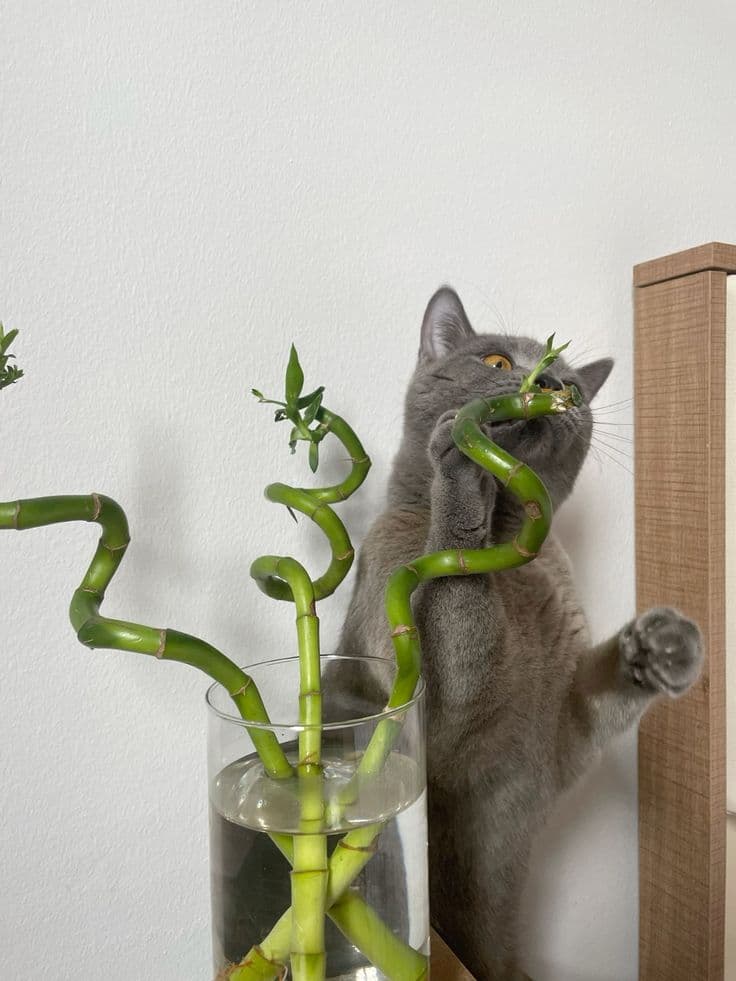
8 Common Houseplants That Could Seriously Harm Your Cat
In this guide, we break down 10 common houseplants that can be toxic to cats, including symptoms to watch for and safer pet-friendly alternatives.
If you live with a cat, you already know they can become weirdly obsessed with plants for absolutely no reason.
One day your houseplant is sitting peacefully in the corner, and the next your cat has decided it’s their new emotional support snack.
Cats love chewing leaves, playing with dangling plants, knocking pots over at 3AM, and acting personally offended when you try to move them away from the one plant they’re absolutely not supposed to touch.
The problem?
Some of the most popular indoor plants can seriously harm cats, and a few can even become fatal after a single bite.
The scary part is that most people buy these plants without even realizing they’re toxic.
And once you start researching which plants are actually dangerous for cats, you realize a surprising number of them are incredibly common household plants people keep purely for decoration.
1. Lily
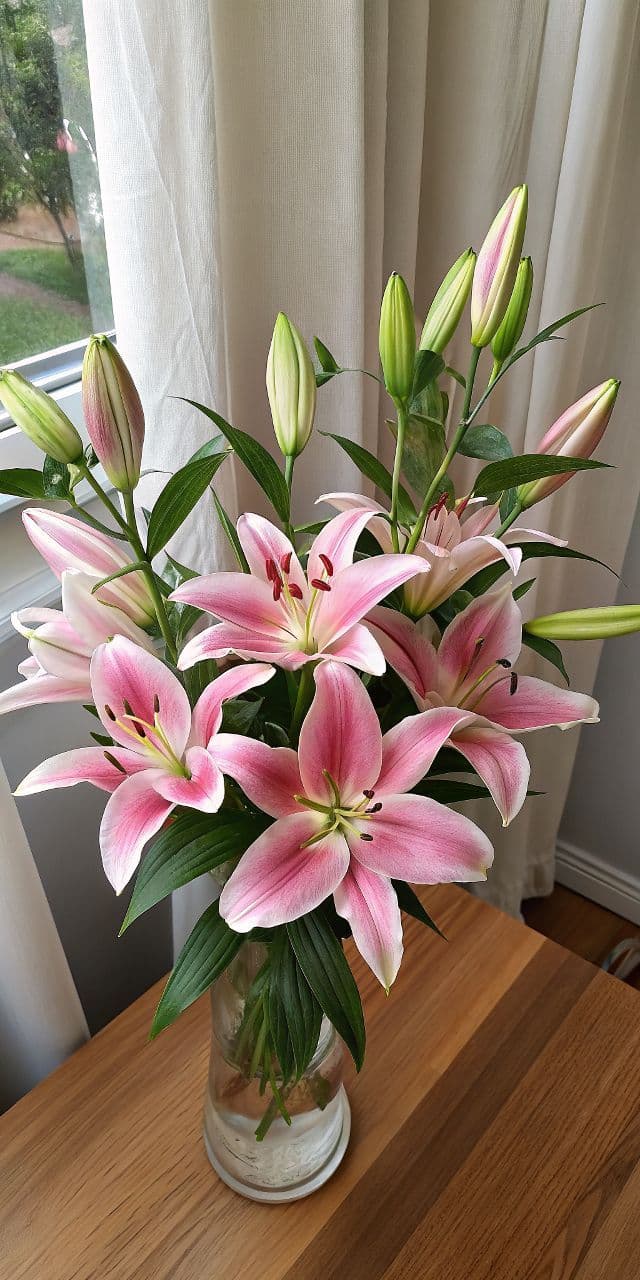
Why Cats Love It
Long leaves, dangling flowers, random pollen falling everywhere…
To a cat, lilies basically look like a very expensive interactive toy designed specifically to be chewed at 2AM.
Why It’s Dangerous
Lilies are one of the most dangerous plants for cats and can potentially cause kidney failure, even in small amounts.
And unfortunately, they’re also one of the most common flowers people casually keep inside their homes.
Symptoms
vomiting
drooling
lethargy
loss of appetite
kidney failure
Safer Alternative
Orchids
2. Pothos
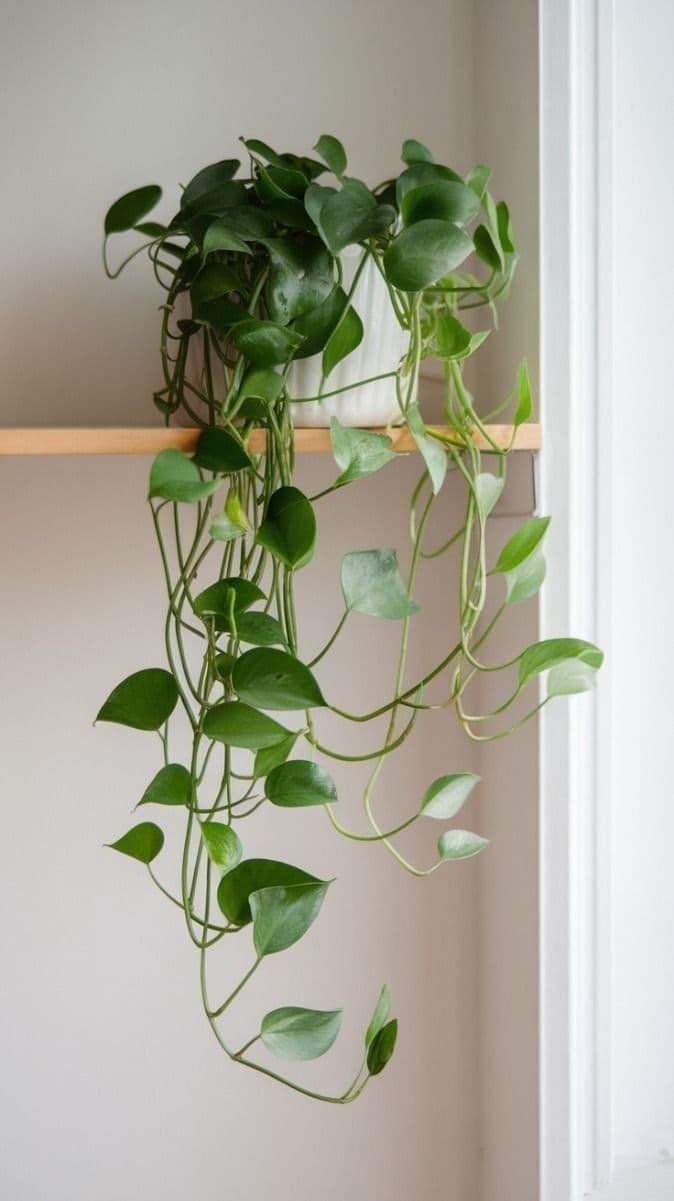
Why Cats Love It
Pothos has long hanging vines that cats seem biologically incapable of leaving alone.
Pothos is basically the unofficial mascot of “cute apartment plants Pinterest convinced everyone to buy.”
Why It’s Dangerous
Pothos contains calcium oxalate crystals that can irritate a cat’s mouth and digestive system when chewed.
Symptoms
mouth irritation
drooling
vomiting
difficulty swallowing
Safer Alternative
Calathea
3. Aloe Vera
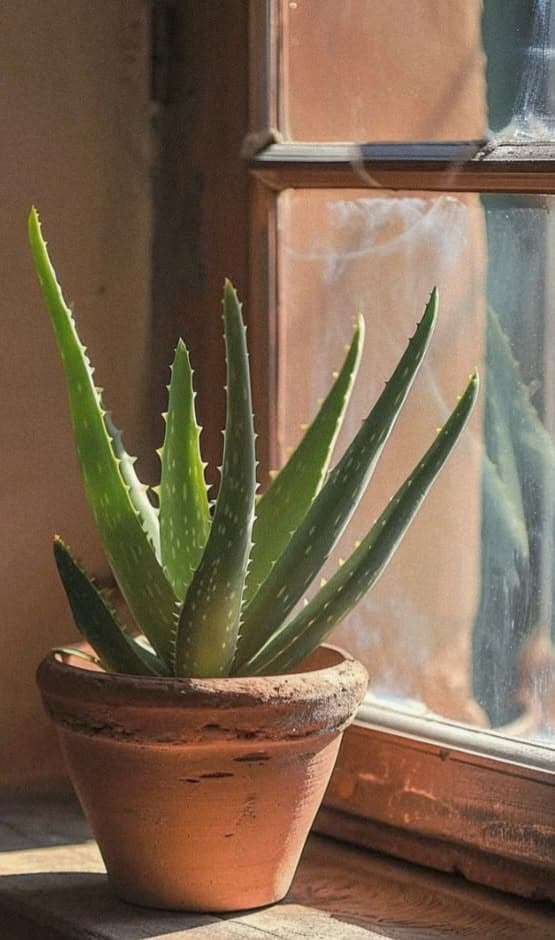
Why Cats Love It
Apparently cats see a spiky medicinal plant and think:
“yes… snack.”
Why It’s Dangerous
Aloe vera contains compounds that can cause digestive issues and irritation in cats if ingested.
Symptoms
vomiting
diarrhea
lethargy
appetite loss
Safer Alternative
Haworthia
4. Monstera
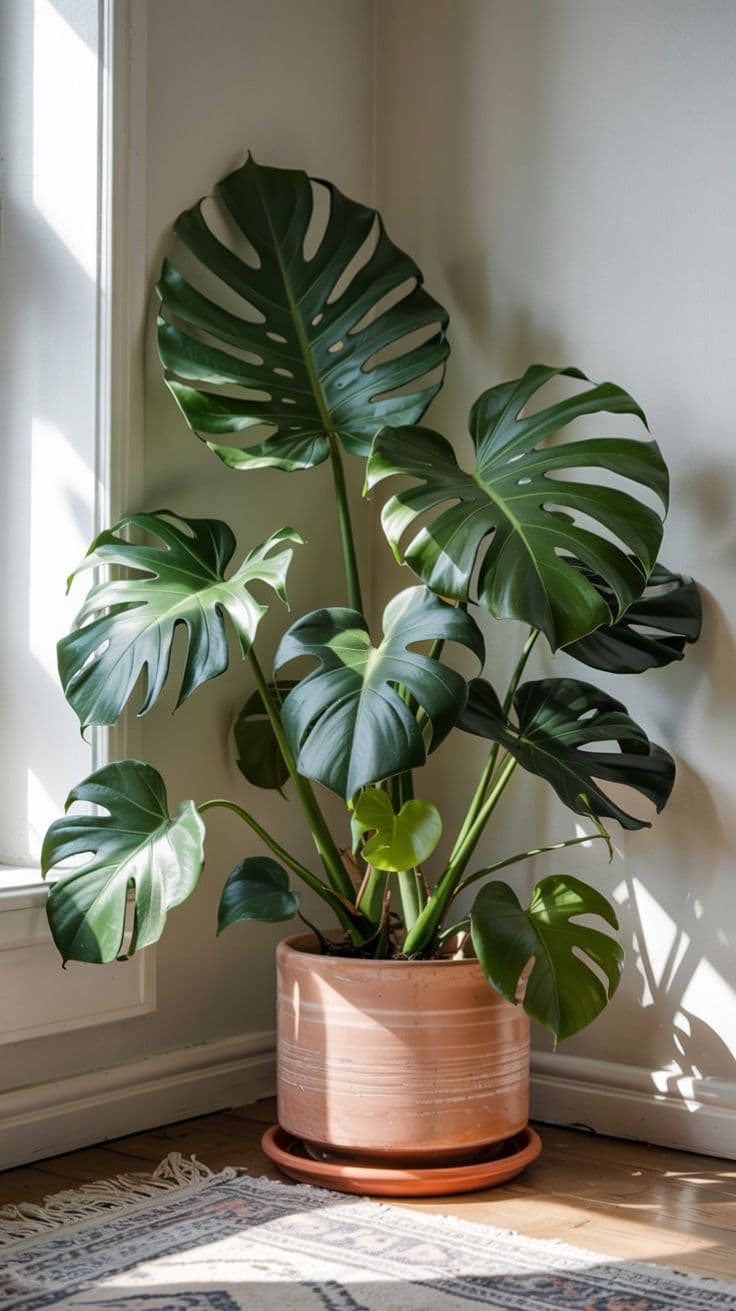
Why Cats Love It
Big dramatic leaves dangling around the house?
Of course your cat is going to attack it eventually.
Why It’s Dangerous
Monstera contains insoluble calcium oxalate crystals that can irritate the mouth and stomach.
Symptoms
drooling
mouth pain
vomiting
pawing at the mouth
Safer Alternative
Areca Palm
5. Peace Lily
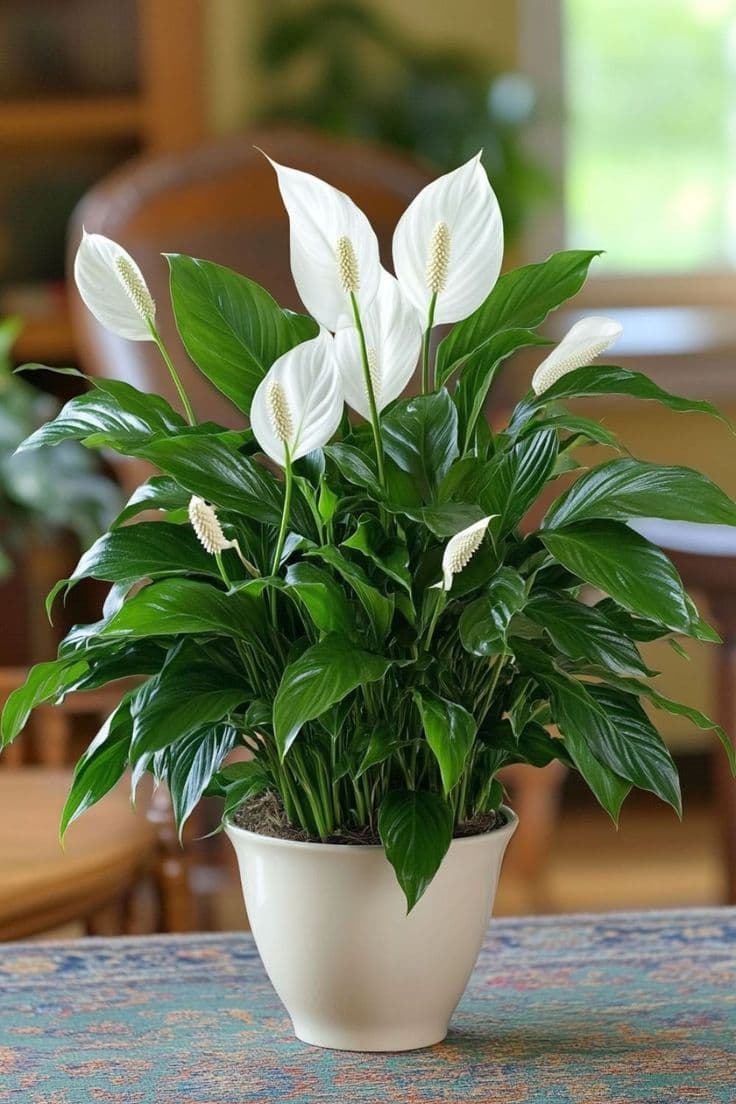
Why Cats Love It
Cats love rubbing against the leaves and chewing the flowers for some reason.
Unfortunately, peace lilies are not nearly as peaceful as the name suggests.
Why It’s Dangerous
Peace lilies can cause intense mouth irritation and digestive symptoms if chewed.
Symptoms
drooling
vomiting
mouth irritation
difficulty swallowing
Safer Alternative
Spider Plant
6. Snake Plant
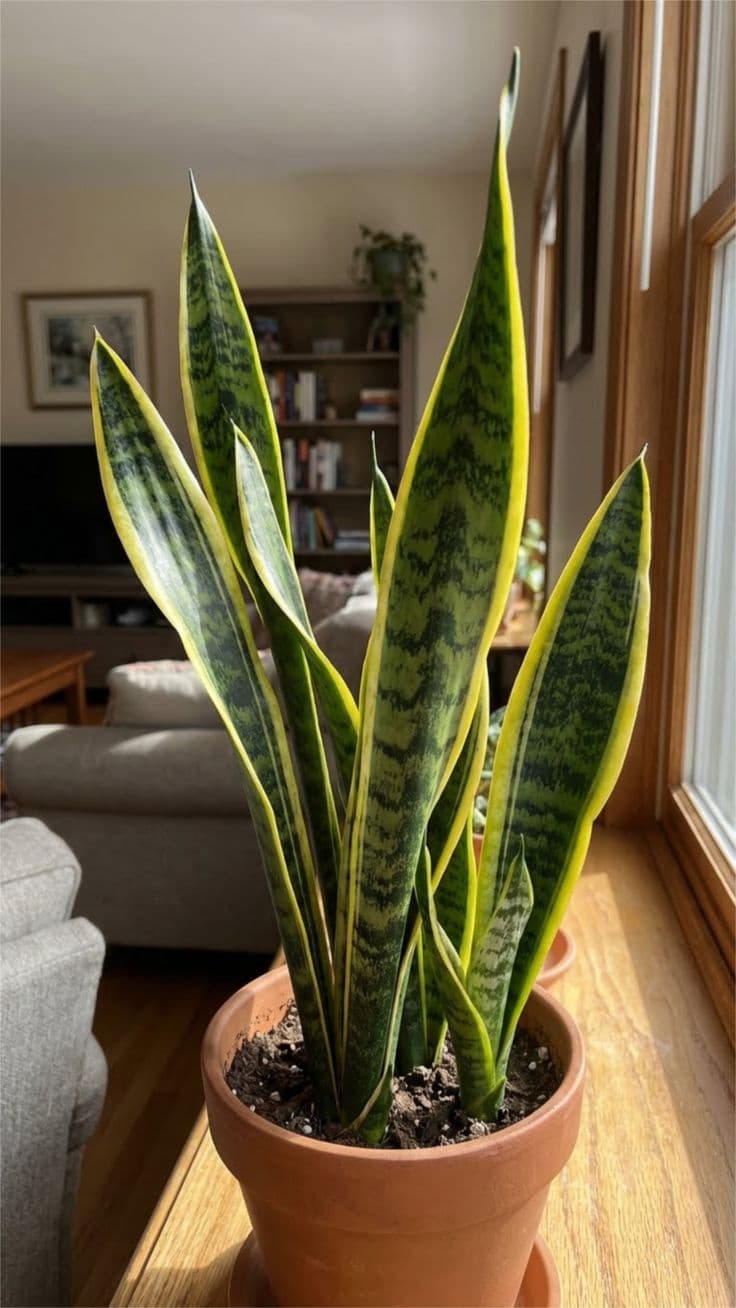
Why Cats Love It
Tall leaves sticking straight into the air apparently activate something primal in every cat’s brain.
Why It’s Dangerous
Snake plants contain saponins, which can trigger digestive irritation in cats.
Symptoms
nausea
vomiting
diarrhea
lethargy
Safer Alternative
Parlor Palm
7. Sago Palm
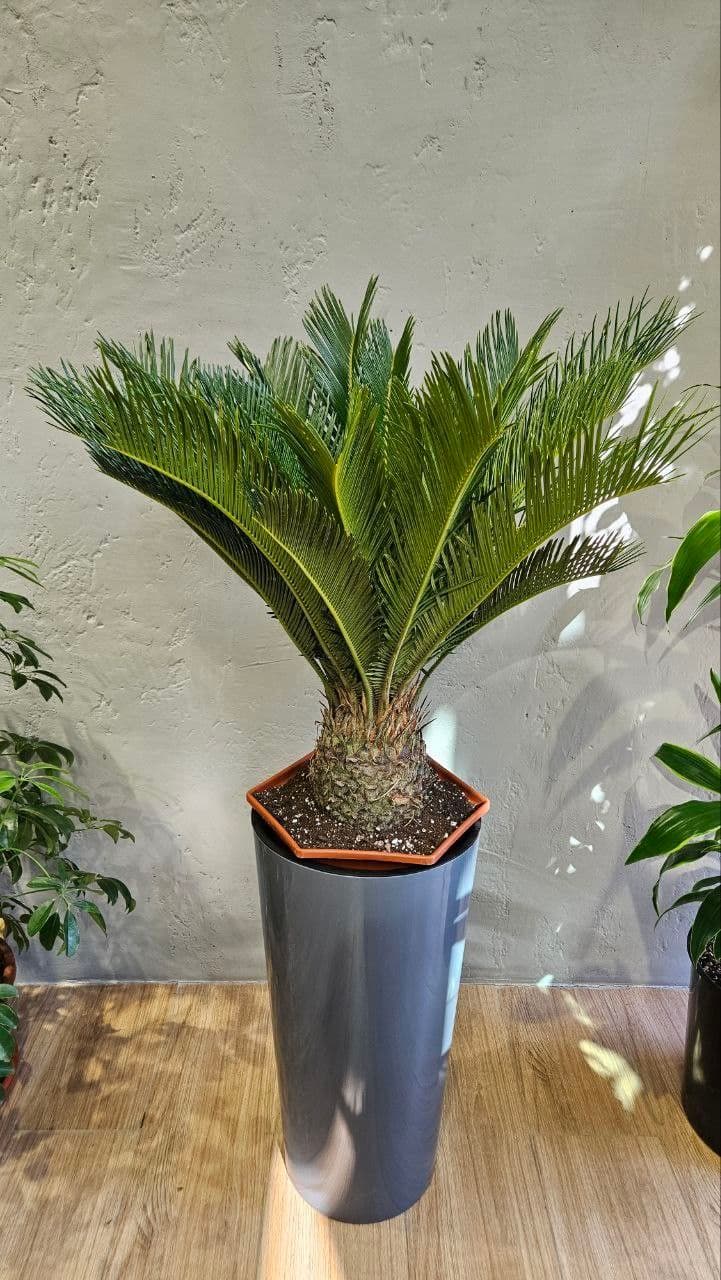
Why Cats Love It
Honestly, they probably don’t.
But even small bites can become extremely dangerous.
Why It’s Dangerous
Sago palms are highly toxic and can cause severe liver damage in cats.
This is one of the plants vets genuinely take very seriously.
Symptoms
vomiting
seizures
liver failure
lethargy
death
Safer Alternative
Ponytail Palm
8. Dieffenbachia (Dumb Cane)
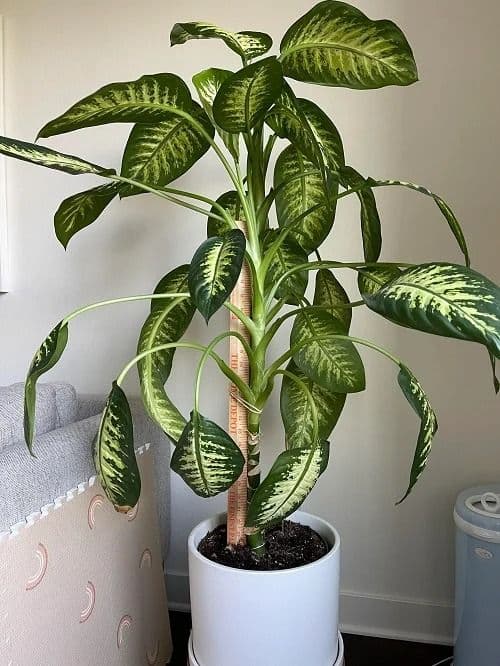
Why Cats Love It
The giant leaves basically look like a free scratching toy sitting in the middle of your living room.
Why It’s Dangerous
Like several other common houseplants, dieffenbachia contains calcium oxalate crystals that irritate the mouth and throat.
Symptoms
drooling
mouth irritation
vomiting
swelling
Safer Alternative
Prayer Plant
Conclusion
The scary part about toxic plants is that most of them don’t look dangerous at all.
A lot of them are sold as trendy indoor plants, gifted during holidays, or recommended in home decor content without anyone mentioning they can seriously harm cats.
And once you start paying attention to toxic plants, you realize how many everyday household products can quietly become problems for pets.
After spending way too much time researching toxic plants, questionable cat food ingredients, and other common pet hazards, I eventually ended up building an app to scan and analyze products more easily for cat owners.
At first it mostly focused on scanning cat food ingredients and controversial additives like carrageenan, but I eventually started adding plant scans too after realizing how many common houseplants can actually be dangerous for cats.
You can use the app to scan:
- toxic plants
- cat food ingredients
- household products
- and other common pet hazards