
Can Cats Eat Bread? Here's What Cat Owners Should Know
Bread isn't toxic to cats, but that doesn't mean it's healthy. Here's what cat owners should know before sharing bread with their feline friend.
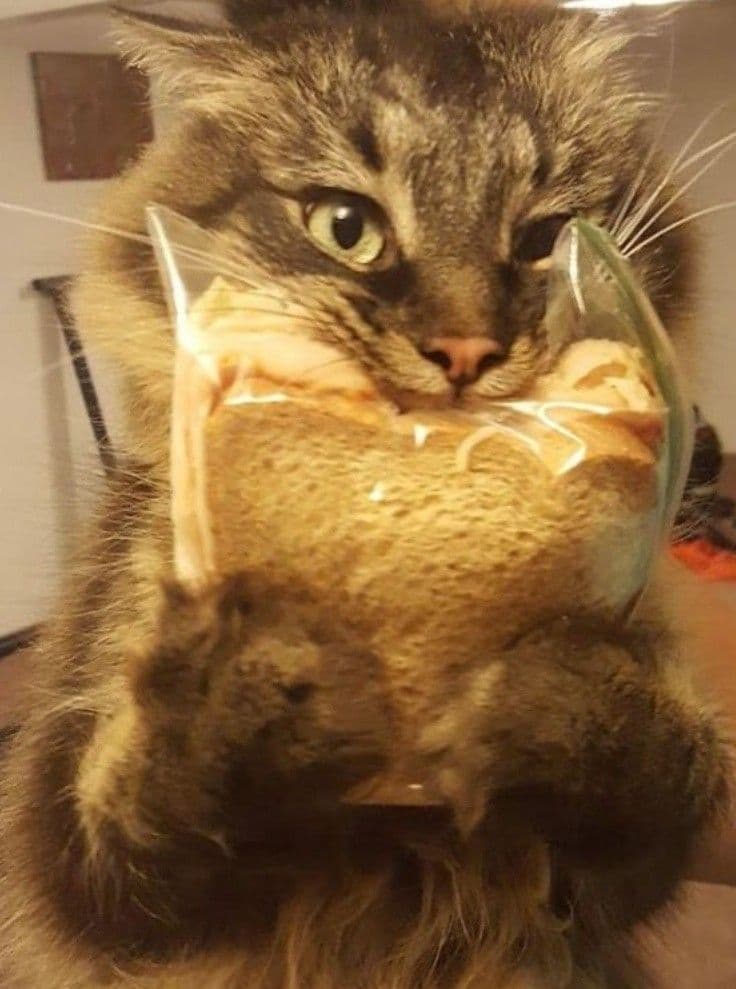
Can Cats Eat Bread? Here's What Cat Owners Should Know
You've probably seen a cat steal a piece of toast, sniff a sandwich, or suddenly become obsessed with a bread roll sitting on the kitchen counter.
And if you're like most cat owners, your first thought is usually: can cats eat bread, or is it dangerous?
The good news is that plain bread isn't toxic to cats. The bad news is that it isn't exactly good for them either.
Here's what cat owners should know before sharing bread with their feline friend.
Can Cats Eat Bread?
Yes, cats can eat small amounts of plain baked bread.
A tiny piece of white bread, whole wheat bread, or sourdough bread is unlikely to harm a healthy adult cat.
That said, bread doesn't provide any meaningful nutritional benefits for cats.
Unlike humans, cats are obligate carnivores. Their bodies are designed to get nutrients primarily from animal-based proteins and fats, not carbohydrates.
So while a bite of bread probably won't hurt your cat, it shouldn't become a regular part of their diet.
Is Bread Good For Cats?
Not really. Bread is one of those foods that falls into the category of "safe but unnecessary."
Most breads are mostly made from ingredients like:
Wheat flour
Water
Yeast
Salt
None of these ingredients provide the nutrients cats actually need to thrive.
Compared to a high-quality cat food, bread contains:
Less protein
More carbohydrates
Fewer essential nutrients
Empty calories
That's why veterinarians generally don't recommend feeding bread as a treat.
If you're looking for a healthier human food to share occasionally, something like pumpkin may offer more benefits thanks to its fiber content. You can read more in our guide: Is Pumpkin Good For Cats?
Why Do Some Cats Love Bread?
This is actually pretty common.
Many cat owners notice that their cat seems strangely attracted to bread, pizza crusts, bagels, or baked goods. One theory is that cats enjoy the smell of yeast.
Yeast produces compounds that some cats find interesting, which may explain why certain cats become obsessed with fresh bread.
Others simply enjoy the soft texture or are curious about whatever their human is eating.
Unfortunately, your cat's enthusiasm for bread doesn't mean it's good for them.
Cats are also known to beg for foods like milk, even though many adult cats struggle to digest dairy properly. If you're curious about that, check out our guide: Can Cats Drink Milk?
What Types Of Bread Are Safe For Cats?
Plain White Bread
A small piece of plain white bread is generally safe for healthy cats.
It's not nutritious, but it's unlikely to cause problems when given occasionally.
Whole Wheat Bread
Whole wheat bread is also generally safe.
Some people assume it's healthier because it's less processed, but from your cat's perspective, it still doesn't offer much nutritional value.
Sourdough Bread
Fully baked sourdough bread is usually safe in small amounts.
However, the raw dough used to make sourdough can be extremely dangerous, which we'll discuss later.
What Types Of Bread Should Cats Avoid?
The bread itself usually isn't the problem.
The ingredients added to the bread often are.
Garlic Bread
Garlic is toxic to cats.
Even small amounts can damage red blood cells and potentially lead to anemia.
Onion Bread
Onions are also toxic to cats and should always be avoided.
Raisin Bread
Raisins and grapes are widely considered dangerous for pets and should never be intentionally fed.
Sweet Breads
Pastries, cinnamon rolls, chocolate breads, and other sweet baked goods often contain ingredients that aren't suitable for cats.
High sugar content, chocolate, artificial sweeteners, and added fats can all create problems.
When in doubt, it's best not to share flavored or specialty breads with your cat.
Can Cats Eat Raw Bread Dough?
This is where things become much more serious.
While baked bread is usually harmless in small amounts, raw bread dough can be dangerous and potentially life-threatening.
When a cat eats raw dough:
The dough can continue expanding inside the stomach
The yeast can ferment
Fermentation produces alcohol
This combination can lead to bloating, severe discomfort, breathing difficulties, and alcohol poisoning.
If you think your cat has eaten raw bread dough, contact your veterinarian immediately.
Better Treats Than Bread
If you want to give your cat an occasional treat, there are much better options than bread.
For example:
Cooked chicken
Cooked turkey
Small amounts of pumpkin
High-quality cat treats
Wet cat food
Final Verdict
So, can cats eat bread?
Yes.
Is bread good for cats?
Not really.
A small piece of plain bread every once in a while is unlikely to cause harm, but it doesn't provide any meaningful nutritional benefits either.
The bigger concern is avoiding breads that contain ingredients like garlic, onions, raisins, chocolate, or raw yeast dough.
If you're ever unsure whether a food is actually safe for your cat, you can use the Leo app to scan ingredients, check nutritional quality, and identify potential red flags before sharing it with your feline friend.