
Can Cats Eat Tuna? Is Tuna Good For Cats?
Tuna is one of the most popular human foods shared with cats. Learn whether tuna is safe, how much cats can eat, and the potential risks of feeding too much.
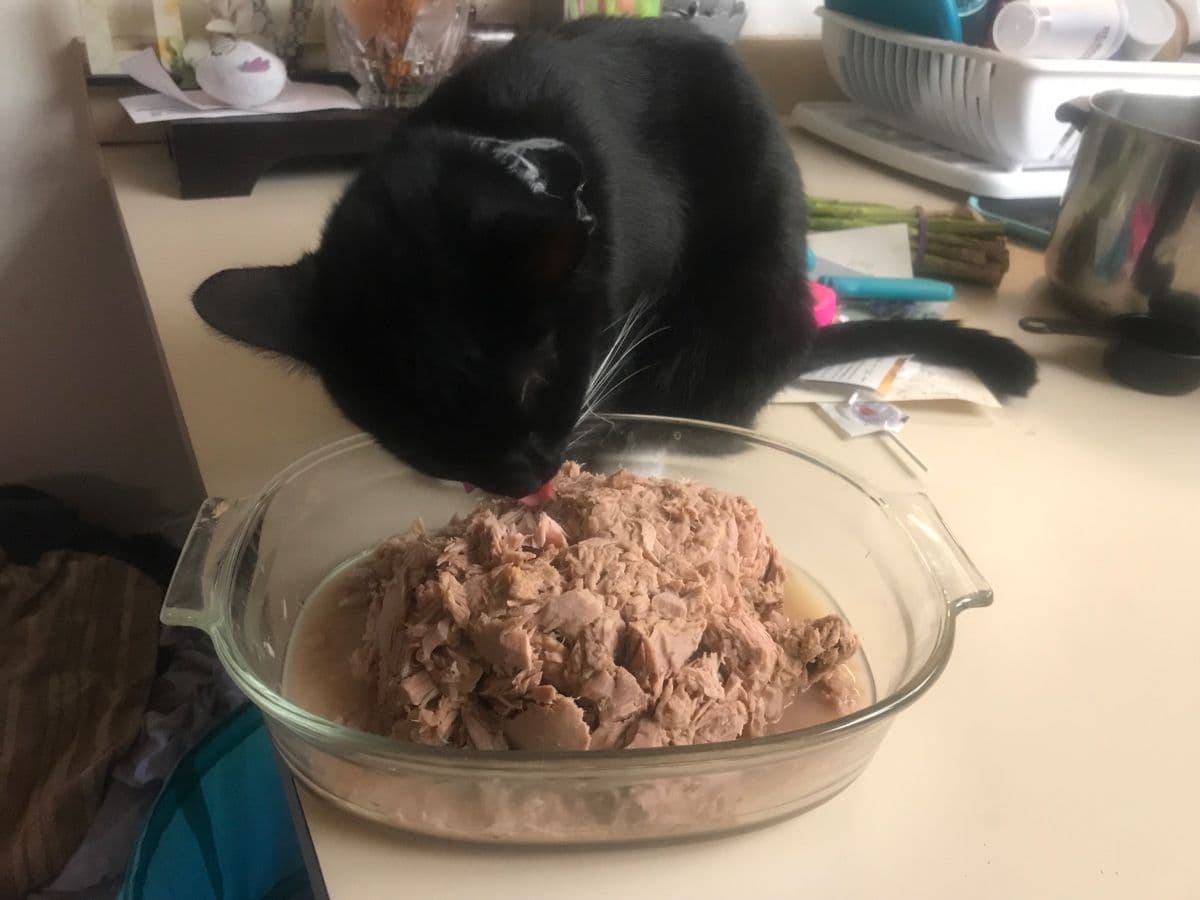
Can Cats Eat Tuna? Is Tuna Good For Cats?
Few foods get a stronger reaction from cats than tuna.
Open a can and there's a good chance your cat suddenly appears in the kitchen, even if they were nowhere to be found a few seconds earlier.
That enthusiasm makes a lot of owners wonder whether tuna is actually healthy for cats or if it's simply another treat that should be limited.
The answer sits somewhere in the middle.
Tuna isn't toxic to cats. In fact, it contains several nutrients cats can benefit from. But that doesn't mean unlimited tuna is a good idea either.
Here's what cat owners should know.
Short Answer: Can Cats Eat Tuna?
Yes.
Cats can safely eat small amounts of tuna.
Plain cooked tuna and canned tuna packed in water are generally considered safe for healthy adult cats when fed occasionally.
The important word here is occasionally.
Tuna should be treated as a treat, not a meal replacement.
Why Do Cats Love Tuna?
Cats experience the world through their noses.
And tuna happens to smell incredibly strong.
The combination of fish oils, protein, and aroma makes tuna highly appealing to many cats.
This is one reason tuna flavors appear so often in cat foods, treats, and food toppers.
Unfortunately, your cat's excitement isn't always a reliable indicator of what's healthy.
Many cats are equally enthusiastic about foods that provide little nutritional value, or foods they shouldn't be eating at all.
Is Tuna Good For Cats?
In moderation, tuna can absolutely have some benefits.
It contains:
High-quality protein
Omega-3 fatty acids
Vitamin B12
Selenium
Potassium
Unlike foods such as bread or rice, tuna actually provides nutrients that align more closely with a cat's natural dietary needs.
Since cats are obligate carnivores, animal-based proteins generally make much more sense nutritionally than carbohydrate-heavy foods.
Benefits Of Tuna For Cats
High-Quality Protein
Protein is one of the most important nutrients in a cat's diet.
It helps support:
Muscle maintenance
Growth
Energy production
Overall health
Because tuna is naturally rich in protein, many cats tolerate it well as an occasional treat.
Omega-3 Fatty Acids
Tuna also contains omega-3 fatty acids, which may help support:
Skin health
Coat quality
Joint function
This doesn't mean tuna should replace a balanced diet, but it does contribute some useful nutrients.
Helpful For Picky Eaters
Some owners use tiny amounts of tuna to encourage cats to eat their regular food.
A little tuna mixed into a meal can sometimes help tempt a particularly stubborn eater.
Can Tuna Be Bad For Cats?
This is where things become a little more complicated.
The biggest issue with tuna isn't toxicity.
It's overdoing it.
Mercury Exposure
Large fish naturally accumulate small amounts of mercury throughout their lives.
An occasional serving of tuna isn't usually a concern.
Feeding tuna every day, however, isn't something most veterinarians recommend.
Nutritional Imbalances
Tuna is not a complete and balanced food.
Cats need specific nutrients in carefully balanced amounts, including taurine, vitamins, and minerals.
A cat that fills up on tuna regularly may miss important nutrients found in complete cat foods.
If you're interested in understanding what makes a cat food nutritionally complete, our guide on What Are Meat By-Products In Cat Food? explains some of the ingredients commonly used to help meet feline nutritional needs.
Too Many Calories
Like any treat, tuna calories add up.
Small amounts are usually fine.
Large amounts can contribute to weight gain over time.
Can Cats Eat Canned Tuna?
Yes, but some canned tuna products are better than others.
When choosing canned tuna for a cat, look for:
Tuna packed in water
No added salt
No seasonings
No sauces
The simpler the ingredient list, the better.
Can Cats Eat Tuna In Water?
This is generally the best option.
Water-packed tuna avoids the extra fat and calories often found in oil-packed products.
If you're going to share tuna with your cat, plain tuna in water is usually the safest choice.
Can Cats Eat Tuna In Oil?
It's not ideal.
The oil itself isn't necessarily toxic, but it adds unnecessary calories and fat.
Some oil-packed tuna products may also contain seasonings that aren't suitable for cats.
When possible, choose tuna packed in water instead.
Can Cats Eat Raw Tuna?
Raw tuna carries some of the same concerns as other raw fish.
Potential risks include:
Bacteria
Parasites
Nutritional imbalances
For most cat owners, cooked tuna is the safer and simpler option.
Can Kittens Eat Tuna?
Kittens can eat very small amounts of tuna occasionally.
However, growing kittens have much higher nutritional requirements than adult cats.
Because tuna isn't a complete food, it shouldn't become a regular part of a kitten's diet.
Kitten food should remain the primary source of nutrition.
How Much Tuna Can Cats Eat?
Less than most people think.
For many cats, a few small bites once in a while is plenty.
Tuna works best as an occasional treat rather than a regular meal.
Final Verdict
So, can cats eat tuna?
Yes.
In fact, tuna is one of the better human foods you can occasionally share with a healthy cat.
It's rich in protein, many cats love it, and small amounts are generally safe.
The key is moderation.
Too much tuna can contribute to nutritional imbalances, excess calories, and long-term health concerns.
When in doubt, it's always worth looking beyond the marketing and checking what you're actually feeding.
That's one reason I built cat food scanner Leo.
The app helps cat owners scan foods, ingredients, and pet products to better understand what's inside before it ends up in their cat's bowl.