
Can Cats Eat Salmon? Benefits, Risks & How to Feed It Safely
Can cats eat salmon? Yes—when it's prepared properly. Learn the benefits of salmon for cats, the risks of raw and smoked salmon, and the safest way to serve this popular fish.
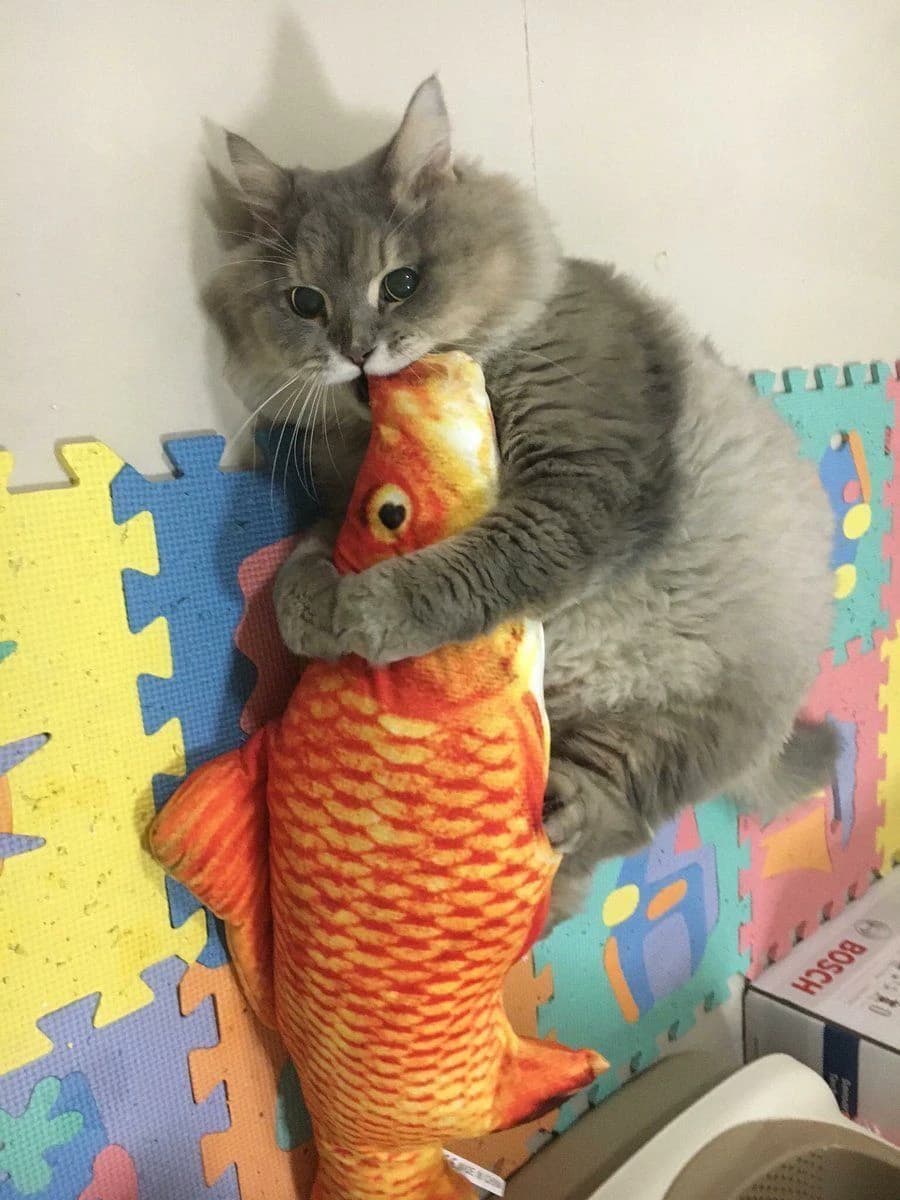
Can Cats Eat Salmon? Benefits, Risks & How to Feed It Safely
Salmon has a bit of a reputation.
Mention it anywhere near your cat, and suddenly they're your new best friend. Some cats can smell it from the other side of the house.
And honestly... who can blame them?
Salmon is packed with protein, smells incredible (at least if you're a cat), and is even used in many premium cat foods.
So if it's already found in cat food, can you safely share a piece from your own plate?
Yes, but there's a catch.
The salmon itself usually isn't the problem. It's everything humans do to it.
Let's break it down.
Can Cats Eat Salmon?
Yes, cats can eat salmon.
In fact, plain cooked salmon can be a healthy occasional treat for most cats. It's rich in high-quality animal protein and contains omega-3 fatty acids that support healthy skin and a shiny coat.
But not every type of salmon is safe.
Raw salmon, smoked salmon and heavily seasoned salmon all come with risks that make them poor choices for cats.
If you want to share some salmon, how it's prepared matters just as much as the fish itself.
Why Salmon Can Be Good for Cats
There's a reason salmon appears in so many cat foods.
When served plain and fully cooked, it provides several nutrients cats naturally benefit from.
High-quality protein
Cats are obligate carnivores, meaning animal protein is the foundation of their diet.
Salmon provides complete protein that helps support muscles, organs and overall health.
Omega-3 fatty acids
Salmon is naturally rich in EPA and DHA, two omega-3 fatty acids that may support:
Healthy skin
A shiny coat
Joint health
Brain function
Vitamins and minerals
Salmon also contains nutrients like vitamin B12, vitamin D and selenium.
That said, your cat should already get everything they need from a complete and balanced cat food.
Think of salmon as an occasional bonus, not a nutritional requirement.
The Safest Way to Feed Salmon
If you're going to share salmon with your cat, keep it simple.
The best salmon for cats is:
Fully cooked
Plain
Boneless
Unseasoned
Served in small pieces
No butter. No garlic. No onion. No lemon sauce.
Basically... if it looks like something you'd proudly serve in a fancy restaurant, your cat probably shouldn't eat it.
If you cook salmon with onion or garlic, remember that both ingredients are toxic to cats. You can learn more in our guides to Can Cats Eat Garlic? and Can Cats Eat Onions?
Can Cats Eat Raw Salmon?
It's best not to.
While cats are natural hunters, raw salmon still carries risks.
Depending on where it comes from and how it's been handled, raw salmon may contain harmful bacteria or parasites that can make cats sick.
Some raw fish also contains an enzyme called thiaminase, which breaks down vitamin B1 (thiamine). Over time, regularly feeding raw fish could contribute to a thiamine deficiency.
A tiny accidental bite usually isn't an emergency.
Making raw salmon part of your cat's diet is another story.
Can Cats Eat Smoked Salmon?
No, smoked salmon isn't a good choice. The biggest issue isn't the salmon itself: it's the salt.
Smoked salmon is typically very high in sodium, and many products also contain additional seasonings or preservatives.
Cats simply don't need that much salt in their diet.
If you're choosing between smoked salmon and plain cooked salmon, the plain version wins every single time.
Can Cats Eat Canned Salmon?
Sometimes, but check the label first.
Plain canned salmon packed in water with no added salt is generally a safer option than salmon packed in oil or heavily seasoned sauces.
Still, canned salmon shouldn't replace your cat's normal food.
It should stay an occasional treat.
Can Cats Eat Salmon Skin?
A small piece of cooked salmon skin is usually safe.
However, salmon skin is much higher in fat than the meat itself.
If it's been fried or heavily seasoned, it's better not to share it at all.
When in doubt, stick to the plain cooked fish.
How Much Salmon Can Cats Eat?
A little goes a long way. A few small flakes once in a while are more than enough for most cats.
Treats—including salmon—should make up no more than about 10% of your cat's daily calories.
Too much salmon can lead to an unbalanced diet, especially if it starts replacing complete cat food.
My Cat Ate Salmon. Should I Worry?
Usually, no.
If your cat stole a small piece of plain cooked salmon, they'll probably be just fine.
Things become more concerning if the salmon was:
Raw
Smoked
Covered in seasonings
Cooked with garlic or onions
Served with rich sauces
Watch for symptoms like:
Vomiting
Diarrhea
Lethargy
Loss of appetite
If your cat ate a large amount or develops concerning symptoms, contact your veterinarian.
Salmon Isn't the Problem—Human Recipes Are
This is probably the biggest takeaway.
People often ask: "Is salmon safe for cats?"
The better question is: "How was the salmon prepared?"
Plain cooked salmon?
Great.
Salmon cooked with butter, garlic, onions, heavy spices and creamy sauces?
Not so great.
Most foods become risky for cats because of what we add, not because of the main ingredient itself.
Final Verdict: Can Cats Eat Salmon?
Yes, plain cooked salmon can be a healthy and delicious occasional treat for cats.
It's rich in protein and omega-3 fatty acids, and many cats absolutely love it. Just keep it simple.
Avoid raw salmon, smoked salmon and heavily seasoned recipes, and don't let treats replace a balanced diet.
If you're ever unsure whether a food is truly cat-friendly, or you're trying to decode a long ingredient list on cat food, our app cat food scanner Leo makes it easy. Scan products in seconds, understand what's inside, and make more informed choices for your cat.