
Can Cats Eat Garlic? Why Garlic Is Toxic to Cats
Garlic may be healthy for humans, but it's toxic to cats. Learn why garlic is dangerous, the signs of poisoning to watch for, and what to do if your cat accidentally eats it.
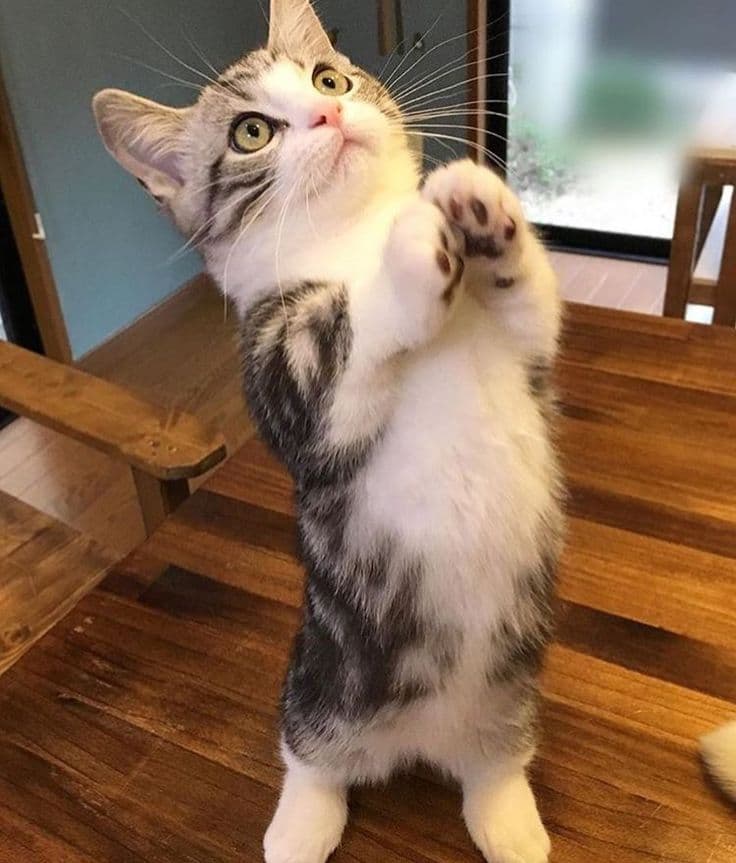
Can Cats Eat Garlic? Why Garlic Is Toxic to Cats
Garlic makes almost everything taste better.
Pasta sauces, roasted chicken, garlic bread... it's one of the most common ingredients found in human food.
Unfortunately, garlic is one of the foods cats should never eat.
Even small amounts can damage a cat's red blood cells and potentially lead to serious health problems. So if your cat just stole a bite of garlic bread or licked a plate that contained garlic sauce, here's what you should know.
Can Cats Eat Garlic?
No, cats should not eat garlic.
Garlic is toxic to cats and can cause a condition called hemolytic anemia, which occurs when red blood cells become damaged and are destroyed faster than the body can replace them.
Unlike some human foods that are merely unhealthy for cats, garlic is considered genuinely dangerous.
Why Is Garlic Toxic to Cats?
Garlic belongs to the allium family, along with onions, chives, shallots, and leeks.
These plants contain compounds that cats cannot process safely. When consumed, these compounds can damage red blood cells and reduce the body's ability to transport oxygen.
What's especially concerning is that garlic is actually more toxic than onions on a pound-for-pound basis.
This means even relatively small amounts may be enough to cause problems in some cats.
How Much Garlic Is Dangerous for Cats?
There is no completely safe amount of garlic for cats.
The risk depends on several factors:
Your cat's size
The amount consumed
Whether the garlic was raw, cooked, powdered, or concentrated
Your cat's overall health
Garlic powder deserves special attention because it is much more concentrated than fresh garlic and is commonly found in seasoning blends, sauces, soups, and processed foods.
If you're unsure whether a food contains garlic, it's usually safer not to offer it to your cat.
Symptoms of Garlic Poisoning in Cats
Symptoms don't always appear immediately.
In some cases, signs may develop several hours or even days after ingestion.
Common symptoms include:
Lethargy
Weakness
Pale gums
Loss of appetite
Increased heart rate
Increased breathing rate
Vomiting
Diarrhea
Collapse in severe cases
If you notice any of these symptoms after your cat has eaten garlic, contact your veterinarian immediately.
What Should You Do If Your Cat Eats Garlic?
Don't wait for symptoms to appear.
If you know your cat has eaten garlic, call your veterinarian or a pet poison hotline as soon as possible.
The earlier treatment begins, the better the outcome tends to be.
Try to provide:
Your cat's weight
The estimated amount consumed
Whether the garlic was raw, cooked, powdered, or part of another food
The time of ingestion
Even if your cat seems completely normal, it's still worth getting professional advice.
Other Human Foods Cats Should Be Careful With
Garlic isn't the only human food that creates confusion among cat owners.
For example, many people wonder whether cats can drink milk because of the classic image of a cat drinking from a bowl. In reality, many adult cats struggle to digest lactose.
Likewise, foods such as bread are not toxic, but they offer little nutritional value and shouldn't become a regular part of a cat's diet.
On the other hand, foods like tuna can be safe in moderation, although feeding too much can create nutritional imbalances over time.
The important thing to remember is that "human food" doesn't automatically mean "cat-safe."
Final Verdict
No, cats should not eat garlic.
Garlic is toxic to cats and can damage their red blood cells, potentially leading to serious health complications.
If your cat accidentally eats garlic, don't panic, but don't ignore it either. Contact your veterinarian and monitor your cat closely.
When it comes to garlic, it's always better to be safe than sorry.
If you're ever unsure whether an ingredient is safe for your cat, cat food scanner Leo can help you quickly check foods and ingredients before they end up in your cat's bowl.