
Why Does My Cat Knead Me?
Kneading usually means your cat feels safe, relaxed, or affectionate, but context matters. Here is what the behavior means and when it can signal stress or discomfort.
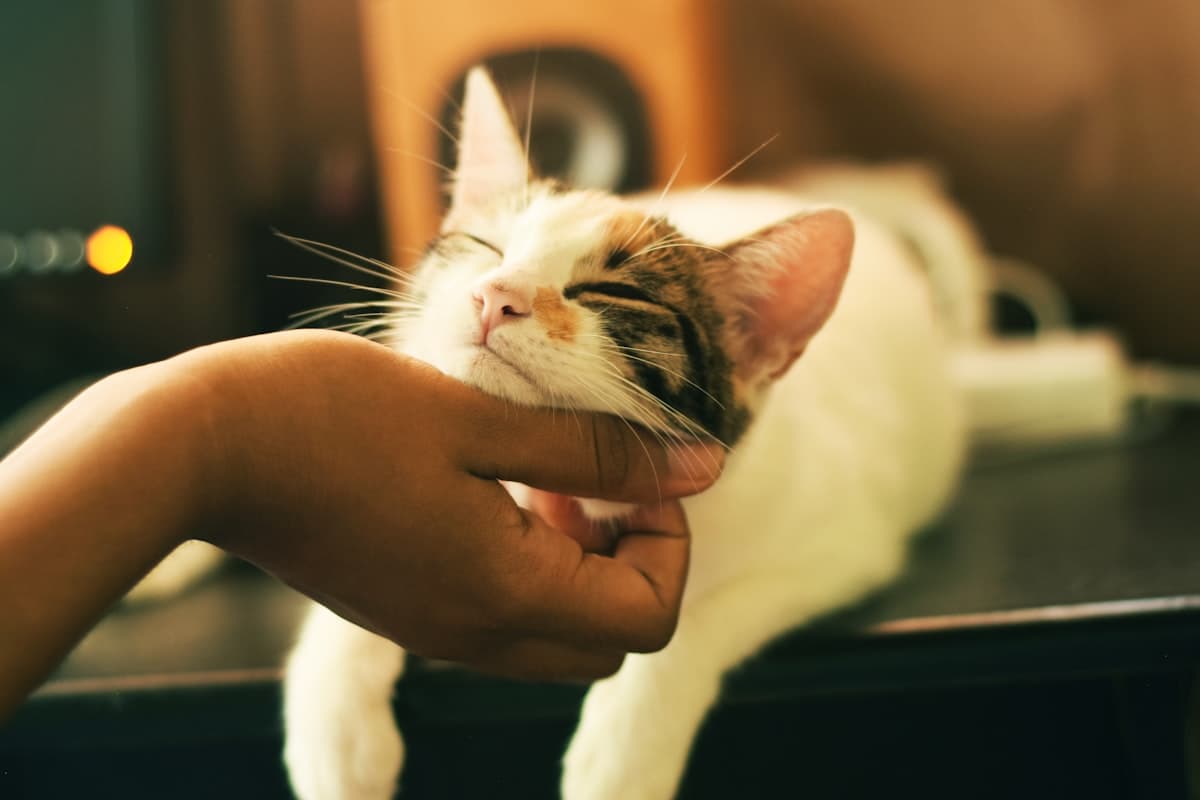
If your cat climbs into your lap, starts rhythmically pressing one paw and then the other into your legs, and looks blissfully content while doing it, you are watching classic feline kneading. People call it making biscuits because the motion looks like dough being worked by hand.
Most of the time, kneading is a perfectly normal cat behavior. It can be sweet, flattering, and slightly painful if claws are involved. The good news is that kneading usually means your cat feels comfortable. The better news is that once you understand why it happens, it becomes much easier to respond without accidentally making the behavior worse.
Kneading starts in kittenhood
Kittens knead while nursing from their mother. The motion helps stimulate milk flow, and it is closely tied to warmth, feeding, and comfort. That early association seems to stick. Many adult cats continue to knead when they want to recreate that same calm, secure feeling.
That is why kneading often shows up in sleepy, cozy moments. A cat may knead a blanket, a bed, or your lap right before settling down for a nap.
What kneading usually means in adult cats
Contentment: many cats knead when they feel safe, relaxed, and happy.
Affection: cats often knead people they trust and feel bonded to.
Sleep preparation: the motion may help create a comfortable resting spot.
Scent marking: cats have scent glands in their paw pads, so kneading can leave their scent behind.
Stretching: some cats seem to use kneading to loosen their limbs and body before resting.
In other words, your cat is not doing something random or manipulative. They are performing a deeply ingrained, instinctive behavior that usually points back to comfort and familiarity.
Why your cat kneads you specifically
When the target is you instead of a pillow, kneading often carries an extra social meaning. Your lap is warm, soft, and associated with attention. From your cat's point of view, it is an excellent place to settle in.
Kneading you can also be a form of affection. Cats rarely choose people they dislike for vulnerable, relaxed behavior. If your cat kneads you and then curls up to sleep, they are usually saying some version of, I feel safe here.
Why some cats use their claws
Claws are part of the original package. Some cats knead with them tucked, while others extend them without any intention to hurt you. They are not being rude. They are just being extremely committed to the experience.
If the kneading hurts, place a thick blanket on your lap before your cat settles in. Keeping nails trimmed can also help reduce accidental scratches without punishing a natural behavior.
When kneading can point to stress or pain
Kneading is usually normal, but context still matters. A cat that suddenly starts kneading much more than usual may be trying to self-soothe. Some cats also knead more when they are anxious, uncomfortable, or physically sore.
Pay attention if the behavior changes along with other signs such as hiding, appetite changes, vocalizing more, avoiding touch, or reduced jumping and movement. Painful conditions such as arthritis can change the way a cat uses their body, and stress can amplify repetitive soothing behaviors.
How to manage kneading without damaging your bond
Redirect the behavior to a thick blanket or designated lap towel if it hurts.
Trim your cat's claws regularly or ask a vet or groomer to help.
Reward your cat for kneading in approved spots instead of pushing them away angrily.
Never punish kneading with yelling, spraying, or physical correction.
Talk to your veterinarian if kneading suddenly increases or seems tied to discomfort.
Punishment is especially unhelpful here because kneading is often rooted in comfort. If you punish a cat for trying to feel safe, you can add fear to the situation without changing the underlying need.
Bottom line
Most cats knead because it feels good. The behavior is tied to kittenhood, relaxation, scent marking, and affection, which is why it so often shows up on blankets and trusted humans. If your cat kneads you, it is usually a compliment. If it becomes sudden, excessive, or tied to other behavior changes, that is the moment to look more closely.