
Signs of Common Feline Illnesses You Shouldn't Ignore
Cats are experts at hiding discomfort, so subtle changes matter. Here are the appetite, litter box, breathing, eye, and behavior changes that deserve quick attention.
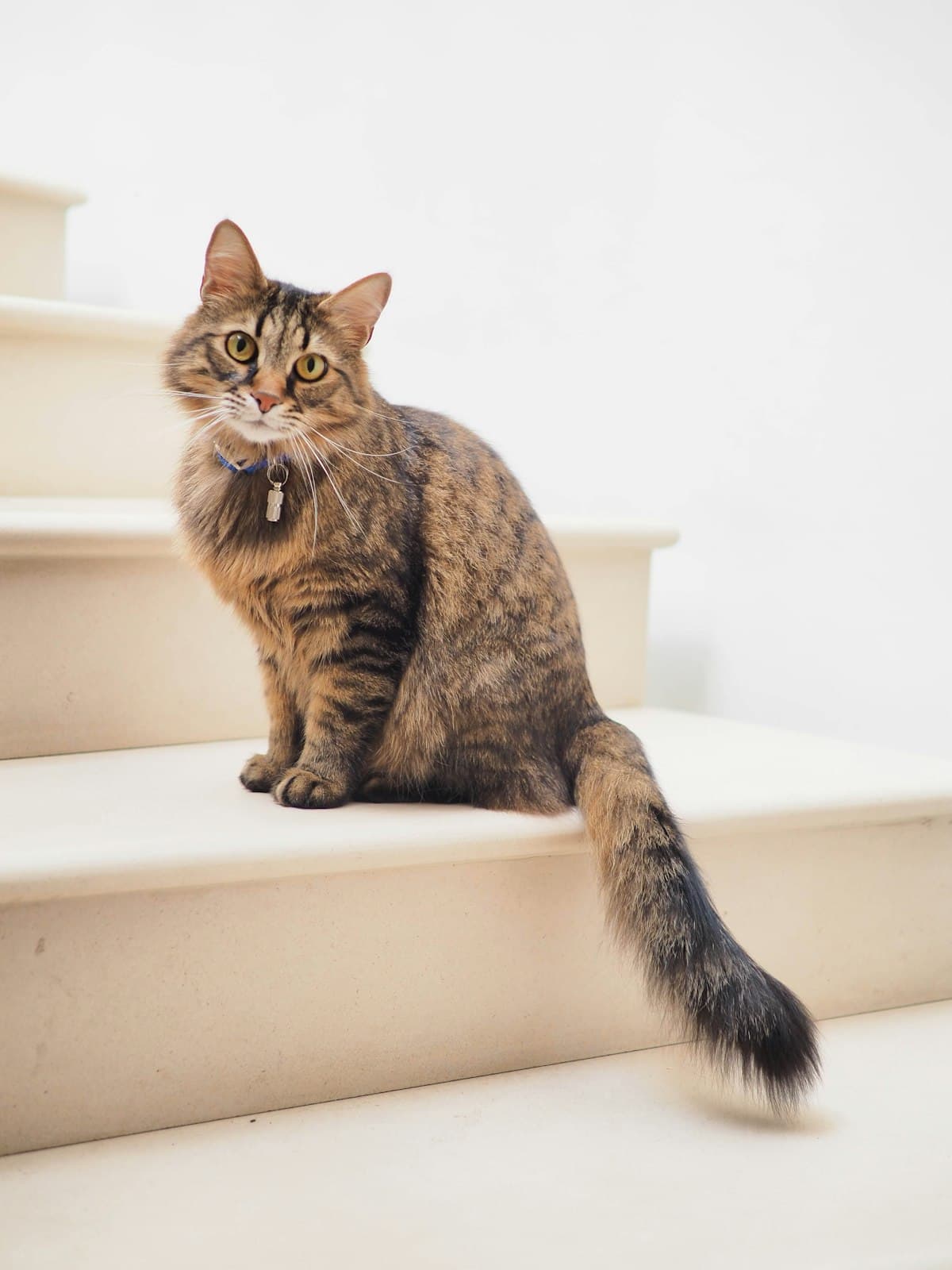
Cats have a frustrating talent for looking normal long after something has started to go wrong. In the wild, obvious weakness makes an animal vulnerable, so cats evolved to hide pain and illness well. That means owners often miss the early stage not because they are inattentive, but because the signs are subtle by design.
The goal is not to panic over every nap or hairball. It is to notice patterns and changes from your cat's normal. When a cat suddenly eats less, hides more, strains in the litter box, breathes differently, or just seems off, that change deserves your attention even if it looks small.
General changes that can signal illness
Becoming quieter, withdrawn, or unusually clingy.
Sleeping much more or seeming restless without a clear reason.
A hunched posture, less graceful movement, or reluctance to jump.
A messy, greasy, matted, or unusually dull coat.
Over-grooming, bald spots, or raw-looking skin.
Any one of these signs can be easy to dismiss in isolation. Together, they often paint the first picture that a cat is uncomfortable.
Appetite and thirst changes matter
A healthy cat may occasionally be fussy for a meal, but a genuine drop in appetite is not something to casually watch for days. Cats that stop eating are at risk for serious complications, and veterinary attention is especially important if your cat has not eaten properly for 24 hours.
Drinking more or less than usual also matters. Increased thirst can be associated with conditions such as kidney disease, liver disease, diabetes, or hyperthyroidism. Eating more while losing weight, or drinking more while filling the litter box with larger clumps, is worth mentioning to your veterinarian promptly.
Litter box red flags
The litter box often gives you the earliest clue that something is wrong. Diarrhea and constipation are both signs of disease, and very small, hard, dry stools should not be written off as normal.
Repeated trips into and out of the box.
Straining to urinate or defecate.
Small urine clumps or no urine at all.
Bloody stool, persistent diarrhea, or obvious constipation.
Excessive licking around the genitals.
One of the biggest emergencies is reduced or absent urination, especially if the cat is straining. A urinary obstruction can become life-threatening very quickly, so that is a same-day emergency, not a wait-and-see problem.
Breathing changes should move to the top of the list
Breathing difficulty is never a symptom to monitor casually in cats. Shallow breathing, open-mouth breathing, panting, extended head and neck posture, repeated coughing, or obvious effort to breathe all warrant prompt veterinary attention.
If your cat seems unable to rest comfortably because of breathing, treat that as urgent. Cats do not normally pant the way dogs do.
Eye, nose, and mouth symptoms
Eye problems deserve more urgency than many owners realize. Squinting, green or yellow discharge, one pupil larger than the other, cloudiness, or a suddenly visible third eyelid can all signal trouble. Eye disease can progress quickly and should not be delayed.
It is also not normal for a healthy cat to have persistent nasal discharge, excessive drooling, severe bad breath, or unusual body odor. Mouth pain, dental disease, infection, and internal illness can all show up here.
Vomiting, diarrhea, and the 'something is just off' category
Vomiting is common enough in cats that owners sometimes normalize it too much. But repeated vomiting, vomiting with lethargy, bile, loss of appetite, abdominal pain, or dehydration is a different situation than the occasional hairball. The same is true for diarrhea that is severe, bloody, persistent, or paired with weakness and poor appetite.
Trust your pattern recognition. If your cat seems wrong to you, even before you can explain exactly why, that instinct is useful.
A simple daily check that catches problems earlier
Notice whether your cat finished meals and drank normally.
Glance at the size and number of litter box clumps.
Watch how your cat walks, jumps, and settles down.
Run your hands over the coat to feel for weight loss, mats, or tenderness.
Look at the eyes, nose, and mouth for discharge or odor.
These checks take less than a minute once they become habit, and they make it much easier to tell your veterinarian what changed and when.
Signs that should be treated as urgent
Not eating for more than 24 hours.
Trouble breathing, panting, or open-mouth breathing.
Straining in the litter box with little or no urine produced.
Sudden inability to use the back legs or severe weakness.
Eye abnormalities such as squinting, major discharge, or a visibly abnormal pupil.
Bottom line
Cats rarely give loud early warnings, so small changes matter. Appetite shifts, litter box problems, breathing changes, altered grooming, withdrawal, and eye symptoms are all worth taking seriously. You do not need to diagnose the problem at home. You just need to notice that your cat is not following their normal script and act sooner rather than later.